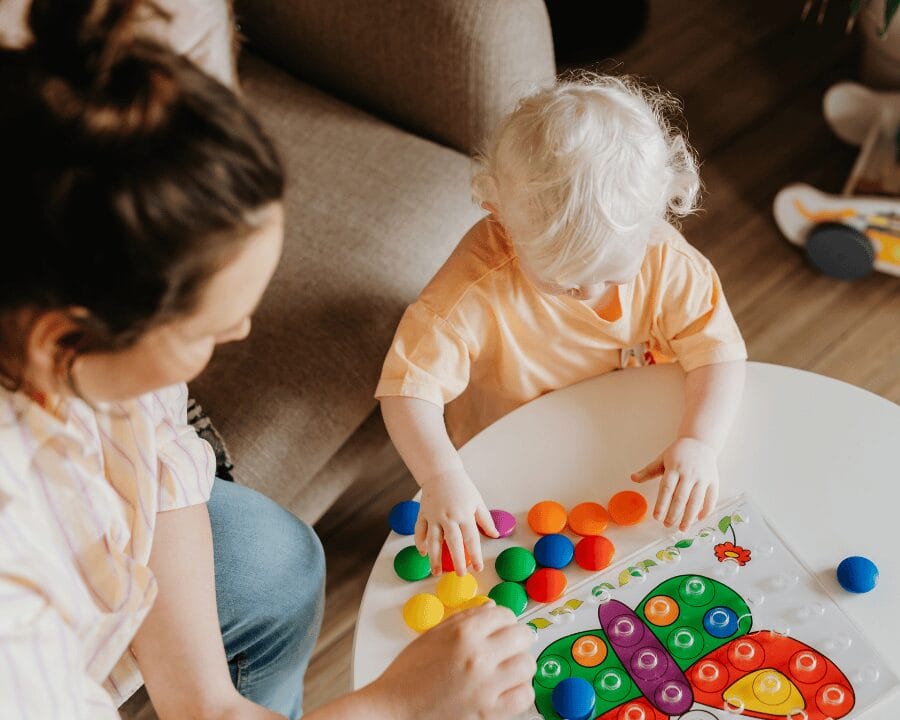
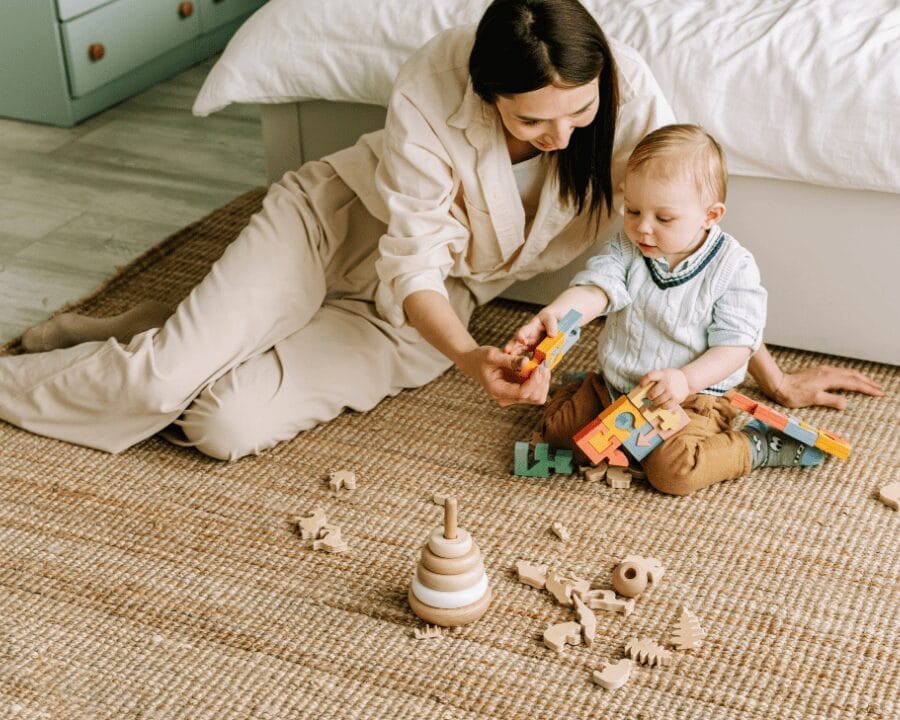
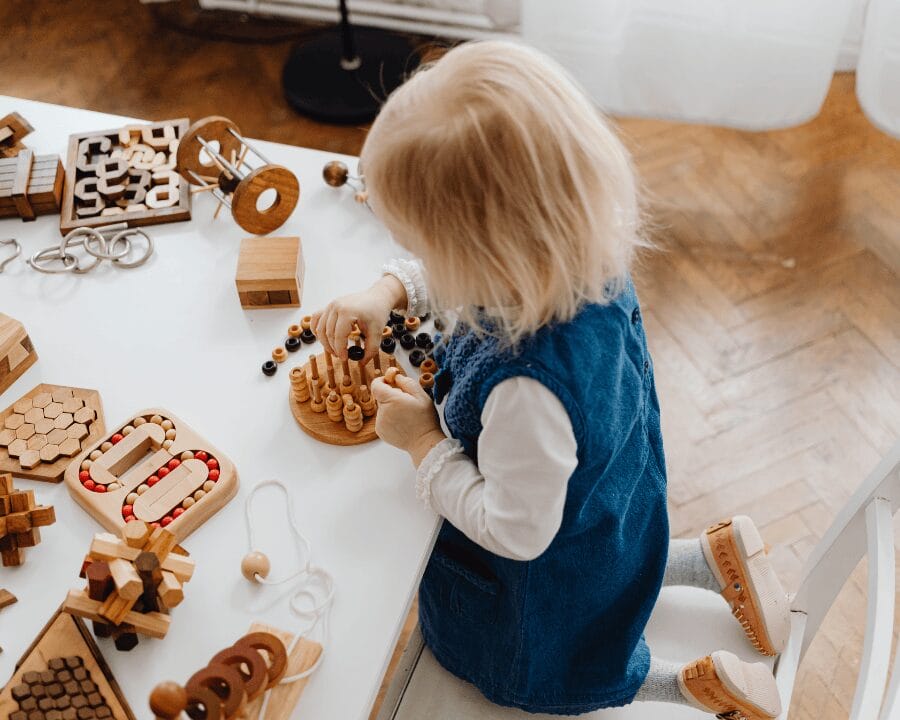
At Our Past Times, we know that playtime plays a crucial role in child development. Parents and educators often seek ways to keep children engaged while promoting learning through play.
One simple yet highly effective strategy is toy rotation. By regularly changing which toys are available, children experience fresh challenges, stimulate their creativity, and maintain sustained interest in their play activities.
What Is Toy Rotation?
Toy rotation is the practice of limiting the number of toys accessible to children at any one time and periodically swapping them with others. Instead of having all toys out simultaneously, which can overwhelm children and reduce focus, only a curated selection is available for play.
This method encourages children to explore deeply rather than skimming superficially across many options. It also reduces clutter and helps parents manage playtime more effectively.
How Toy Rotation Enhances Playtime
Boosts Focus and Attention
When children face fewer options, they can concentrate more fully on the toys at hand. Limiting distractions allows them to explore, problem-solve, and complete activities without becoming frustrated or bored.
Encourages Creativity and Imagination
Rotating toys introduces a sense of novelty. Children approach familiar toys in new ways, often inventing creative games and scenarios. Simple items such as blocks, puzzles, or dolls gain renewed interest when they reappear after a break.
Supports Skill Development
Toy rotation ensures that children engage with a variety of educational toys over time. For example, one rotation may feature wooden puzzles to strengthen fine motor skills, while another may focus on building sets for spatial reasoning. This variety encourages well-rounded development.
Reduces Overstimulation
Too many toys at once can lead to sensory overload, shortening playtime and reducing learning opportunities. A curated selection allows children to interact calmly, fostering longer, more meaningful play sessions.
Encourages Responsibility and Care
When children know their toys will return after a break, they learn to handle them carefully. Toy rotation teaches respect for belongings and an understanding of shared resources, especially in multi-child households or classrooms.
How Toy Rotation Enhances Playtime
Parents and educators can implement toy rotation in a few simple steps while maintaining an engaging playtime experience. Start by planning rotations on a weekly or biweekly basis, swapping toys at regular intervals. This consistent schedule helps children anticipate and look forward to new challenges, keeping their interest high.
Group toys according to the skills they develop. For example, include one or two items that encourage creative expression, such as building blocks or art materials, alongside toys that promote problem-solving, like puzzles or pattern-based games. Including items that require physical activity can also support motor development and provide balance during playtime.
Store the remaining toys out of sight while children engage with the selected set. Keeping some toys hidden creates a sense of anticipation, making each rotation feel exciting and fresh.
Observe how children interact with the toys and take note of which items spark the most focused, imaginative, or collaborative play. This insight allows you to prioritise these toys in future rotations to maximise learning and enjoyment.
When selecting toys for rotation, include educational and battery-free options wherever possible. Wooden puzzles, tactile building sets, and hands-on brain teasers encourage problem-solving, creativity, and concentration without relying on electronic stimulation.
Rotating these types of toys ensures children experience a well-rounded playtime that supports multiple aspects of their development.
By implementing toy rotation thoughtfully, parents and educators create a dynamic environment where children consistently encounter new challenges and opportunities to learn.
Playtime becomes structured yet flexible, offering the perfect balance of creativity, problem-solving, and engagement.
Conclusion
Toy rotation transforms everyday playtime into an enriching, engaging experience. By carefully curating the toys available, children maintain focus, exercise creativity, and develop important skills. All while enjoying meaningful, structured play.
At Our Past Times, we encourage parents and educators to explore toy rotation with educational, battery-free toys to foster learning through play. Rotating toys is a simple strategy that keeps playtime fresh, effective, and rewarding for children of all ages.
At Our Past Times, we know that playtime plays a crucial role in child development. Parents and educators often seek ways to keep children engaged while promoting learning through play.
One simple yet highly effective strategy is toy rotation. By regularly changing which toys are available, children experience fresh challenges, stimulate their creativity, and maintain sustained interest in their play activities.
What Is Toy Rotation?
Toy rotation is the practice of limiting the number of toys accessible to children at any one time and periodically swapping them with others. Instead of having all toys out simultaneously, which can overwhelm children and reduce focus, only a curated selection is available for play.
This method encourages children to explore deeply rather than skimming superficially across many options. It also reduces clutter and helps parents manage playtime more effectively.
How Toy Rotation Enhances Playtime
Boosts Focus and Attention
When children face fewer options, they can concentrate more fully on the toys at hand. Limiting distractions allows them to explore, problem-solve, and complete activities without becoming frustrated or bored.
Encourages Creativity and Imagination
Rotating toys introduces a sense of novelty. Children approach familiar toys in new ways, often inventing creative games and scenarios. Simple items such as blocks, puzzles, or dolls gain renewed interest when they reappear after a break.
Supports Skill Development
Toy rotation ensures that children engage with a variety of educational toys over time. For example, one rotation may feature wooden puzzles to strengthen fine motor skills, while another may focus on building sets for spatial reasoning. This variety encourages well-rounded development.
Reduces Overstimulation
Too many toys at once can lead to sensory overload, shortening playtime and reducing learning opportunities. A curated selection allows children to interact calmly, fostering longer, more meaningful play sessions.
Encourages Responsibility and Care
When children know their toys will return after a break, they learn to handle them carefully. Toy rotation teaches respect for belongings and an understanding of shared resources, especially in multi-child households or classrooms.
How Toy Rotation Enhances Playtime
Parents and educators can implement toy rotation in a few simple steps while maintaining an engaging playtime experience. Start by planning rotations on a weekly or biweekly basis, swapping toys at regular intervals. This consistent schedule helps children anticipate and look forward to new challenges, keeping their interest high.
Group toys according to the skills they develop. For example, include one or two items that encourage creative expression, such as building blocks or art materials, alongside toys that promote problem-solving, like puzzles or pattern-based games. Including items that require physical activity can also support motor development and provide balance during playtime.
Store the remaining toys out of sight while children engage with the selected set. Keeping some toys hidden creates a sense of anticipation, making each rotation feel exciting and fresh.
Observe how children interact with the toys and take note of which items spark the most focused, imaginative, or collaborative play. This insight allows you to prioritise these toys in future rotations to maximise learning and enjoyment.
When selecting toys for rotation, include educational and battery-free options wherever possible. Wooden puzzles, tactile building sets, and hands-on brain teasers encourage problem-solving, creativity, and concentration without relying on electronic stimulation.
Rotating these types of toys ensures children experience a well-rounded playtime that supports multiple aspects of their development.
By implementing toy rotation thoughtfully, parents and educators create a dynamic environment where children consistently encounter new challenges and opportunities to learn.
Playtime becomes structured yet flexible, offering the perfect balance of creativity, problem-solving, and engagement.
Conclusion
Toy rotation transforms everyday playtime into an enriching, engaging experience. By carefully curating the toys available, children maintain focus, exercise creativity, and develop important skills. All while enjoying meaningful, structured play.
At Our Past Times, we encourage parents and educators to explore toy rotation with educational, battery-free toys to foster learning through play. Rotating toys is a simple strategy that keeps playtime fresh, effective, and rewarding for children of all ages.
Newsletter
Subscribe to our newsletter for new products, trends and offers.
Sign up for our newsletter to get the latest updates on new toys, exclusive offers, and special promotions. Rediscover the joy of play—delivered straight to your inbox